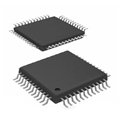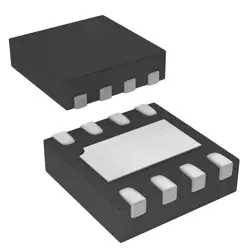

Hình ảnh chỉ để tham khảo
ESP8266EX
IC RF TXRX+MCU WIFI 32VFQFN
- Nhà sản xuất
- Ông. Phần #ESP8266EX
- Gói QFN-32
- Bảng dữ liệu ESP8266EX DataSheet
- Có sẵn2222
100% gốc & amp; Mới
24 giờ sẵn sàng để vận chuyển
Bảo hành 365 ngày
RFQ & amp; Nhận thêm Giảm giá
Thông số kỹ thuật
| Package | Tape & Reel (TR),Cut Tape (CT) |
| ProductStatus | Active |
| Type | TxRx + MCU |
| RFFamily/Standard | WiFi |
| Protocol | 802.11b/g/n |
| Frequency | 2.4GHz |
| DataRate(Max) | 54Mbps |
| Power-Output | 20dBm |
| Sensitivity | -91dBm |
| SerialInterfaces | I²C, I²S, SPI, UART |
| GPIO | 8 |
| Voltage-Supply | 2.5V ~ 3.6V |
| Current-Receiving | 50mA ~ 56mA |
| Current-Transmitting | 120mA ~ 170mA |
| MountingType | Surface Mount |
| Package/Case | 32-VFQFN Exposed Pad |
Tổng quan
Description
Key features of the ESP8266EX include a 32-bit Tensilica L106 microprocessor, integrated Wi-Fi transceiver, and support for both standalone and hosted applications. It operates at a clock speed of up to 160 MHz and includes GPIO, SPI, I2C, UART, and PWM interfaces, which make it highly versatile for various projects.
The chip is equipped with a 16-pin QFN package, consuming low power and supporting standard IEEE 802.11 b/g/n protocol. It can function as both a station and an access point, allowing for flexible network configurations. Additionally, the ESP8266EX supports secure (WPA/WPA2) connections, enhancing data security.
Its affordability, ease of programming using environments like Arduino IDE, and wide community support make it a popular choice among hobbyists and professionals for developing smart devices, home automation systems, and other IoT solutions.
Features
Key features include:
1. Wi-Fi Capabilities: Supports 802.11 b/g/n Wi-Fi, offering station, soft AP, and combined modes.
2. Networking: Provides TCP/IP stack, DNS, DHCP, and HTTP support, enabling seamless internet connectivity.
3. Power Efficiency: Optimized for low power consumption, featuring sleep and deep sleep modes.
4. I/O Interfaces: Includes GPIO, PWM, I2C, SPI, UART, and ADC, facilitating diverse peripheral integrations.
5. Security: Implements WEP, WPA/WPA2 encryption, and supports secure connections via SSL/TLS.
6. Development Support: Compatible with various development environments like Arduino IDE, ESP-IDF, and others, with extensive community support.
7. Compact Size: Its small footprint makes it suitable for space-constrained applications.
Overall, the ESP8266EX is a cost-effective solution for projects requiring wireless connectivity and moderate processing power.
Package
Pinout
Pin Count:
The ESP8266EX has a total of 32 pins.
Pin Functions:
1. Power and Ground Pins:
- VCC: Power supply (3.3V).
- GND: Ground connections.
2. Reset and Control Pins:
- RST: Reset pin to restart the chip.
- EN (CH_PD): Chip enable pin for power management.
3. Clock Pins:
- XTAL_IN/XTAL_OUT: Connect to an external 26 MHz or 40 MHz crystal oscillator.
4. UART Pins:
- TXD0, RXD0, TXD1, RXD1: Used for serial communication.
5. GPIO Pins:
- 17 GPIO pins for general-purpose I/O operations.
6. SPI Pins:
- SPI interface for connecting to other SPI devices.
7. I²C Pins:
- SDA, SCL: I²C protocol support.
8. PWM Pins:
- Used for pulse-width modulation.
9. ADC Pin:
- A0: Analog-to-digital converter input.
These pins allow ESP8266EX to interface with various peripherals and sensors, supporting applications like home automation, wireless sensing, and more.
Manufacturer
Espressif Systems is recognized for its innovative contributions to the Internet of Things (IoT) sector, providing developers with open-source platforms and resources to create a wide range of IoT applications. The company’s products, including the ESP8266EX, are widely used in consumer electronics, smart home devices, and industrial automation due to their reliability, ease of integration, and developer-friendly nature.
Application
Equivalent
Vận chuyển
Phương pháp vận chuyển Chúng tôi
cung cấp dịch vụ vận chuyển toàn cầu thông qua DHL, FedEx, TNT, UPS hoặc bất kỳ nhà giao hàng khác mà bạn lựa chọn.
Tham khảo phí vận chuyển (DHL / FedEx):
Hãng DHL: Chi phí vận chuyển dao động từ $ 25- $ 45 (0,5kg), với thời gian giao hàng ước tính là 2-5 ngày làm việc.
FedEx: Chi phí vận chuyển dao động từ $ 25- $ 40 (0,5kg), với thời gian giao hàng ước tính là 3-7 ngày làm việc.
Sản phẩm UPS: Chi phí vận chuyển dao động từ $ 25- $ 45 (0,5kg), với thời gian giao hàng ước tính là 3-7 ngày làm việc.
TNT: Chi phí vận chuyển dao động từ $ 25- $ 65 (0,5kg), với thời gian giao hàng ước tính là 3-7 ngày làm việc.
EMS: Chi phí vận chuyển dao động từ $ 30- $ 50 (0,5kg), với thời gian giao hàng ước tính là 7-15 ngày làm việc.
Đăng ký Air Mail: Chi phí vận chuyển là $ 2- $ 4 (0.1kg), với thời gian giao hàng ước tính là 5-20 ngày làm việc.
Thanh toán
Payment Methods
Thời hạn thanh toán là 100% trả trước.
Hiện tại, chúng tôi chỉ chấp nhận các phương thức thanh toán dưới đây:
1. PayPal
2. Thẻ tín dụng / ghi nợ
3. Chuyển dây
Tương tự
-
![MX25R8035FM1IL0]() MX25R8035FM1IL0
MX25R8035FM1IL0
Macronix
-
![MX25L3233FM1I-08Q]() MX25L3233FM1I-08Q
MX25L3233FM1I-08Q
Macronix
-
![MX25V1635FZNQ03]() MX25V1635FZNQ03
MX25V1635FZNQ03
Macronix
-
![MX29F400CBTI-70G]() MX29F400CBTI-70G
MX29F400CBTI-70G
Macronix
-
![MX66U1G45GXDI00]() MX66U1G45GXDI00
MX66U1G45GXDI00
Macronix
-
![MX25V5126FM1I]() MX25V5126FM1I
MX25V5126FM1I
Macronix
-
![MX25V4035FZUI]() MX25V4035FZUI
MX25V4035FZUI
Macronix
-
![MX25V2033FM1I]() MX25V2033FM1I
MX25V2033FM1I
Macronix
-
![MX25V16066M1I02]() MX25V16066M1I02
MX25V16066M1I02
Macronix
-
![MX25L8035EM2I-10G]() MX25L8035EM2I-10G
MX25L8035EM2I-10G
Macronix
-
![MX25U51279GXDR00]() MX25U51279GXDR00
MX25U51279GXDR00
Macronix
-
![MX25R1635FZUIH0]() MX25R1635FZUIH0
MX25R1635FZUIH0
Macronix